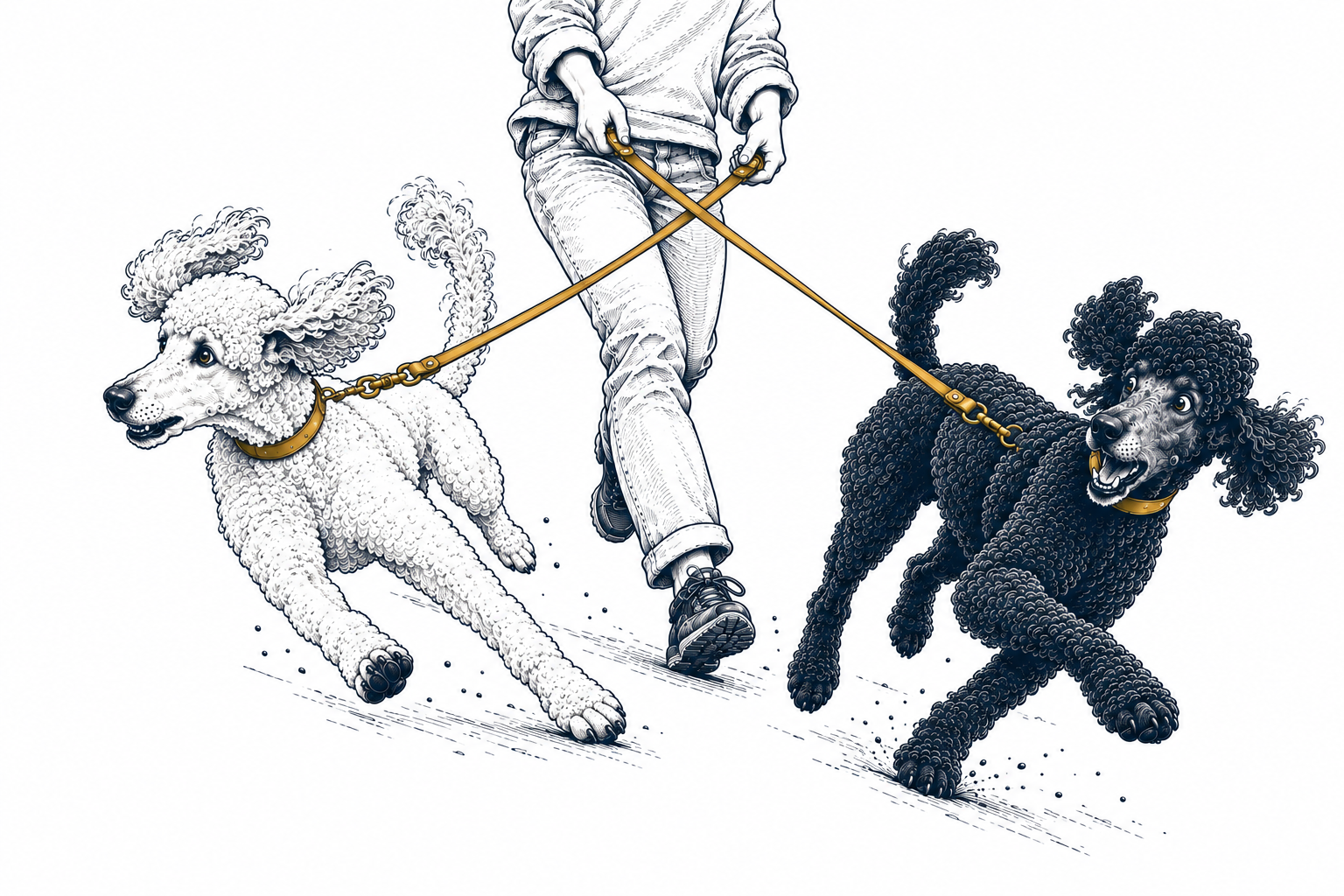
Two large poodles on a walk: one pulling enthusiastically ahead while the other sits firmly behind.

Routine tasks shouldn’t be this difficult.

Like when walkies become pullies.

Routine work gets complicated one reasonable decision at a time. A new process here, a workaround there, another tool to solve the last tool. Eventually, something simple requires three people, four systems, and the one person who knows how it all works. We help untangle the mess so the work fits the people doing it.
AI got serious very quickly.

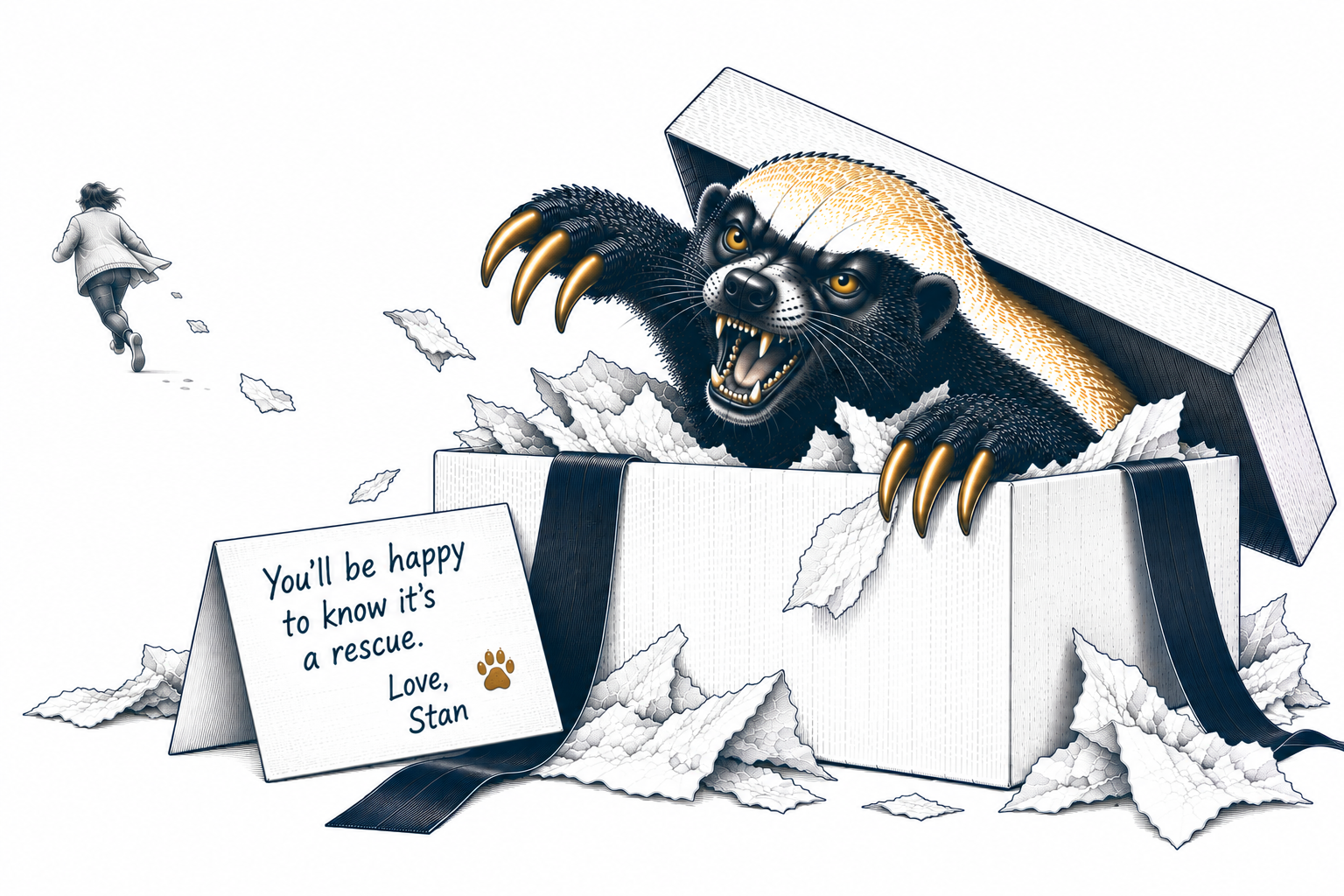
Worst present ever.

AI went from interesting experiment to consequential capability very quickly. That makes it hard to know where to start, what matters, and what will still matter six months from now. We help people get close enough to understand what AI can actually do, find where it’s useful, and build ways of working with it that make sense.

What if better tools gave us more of our brains back?

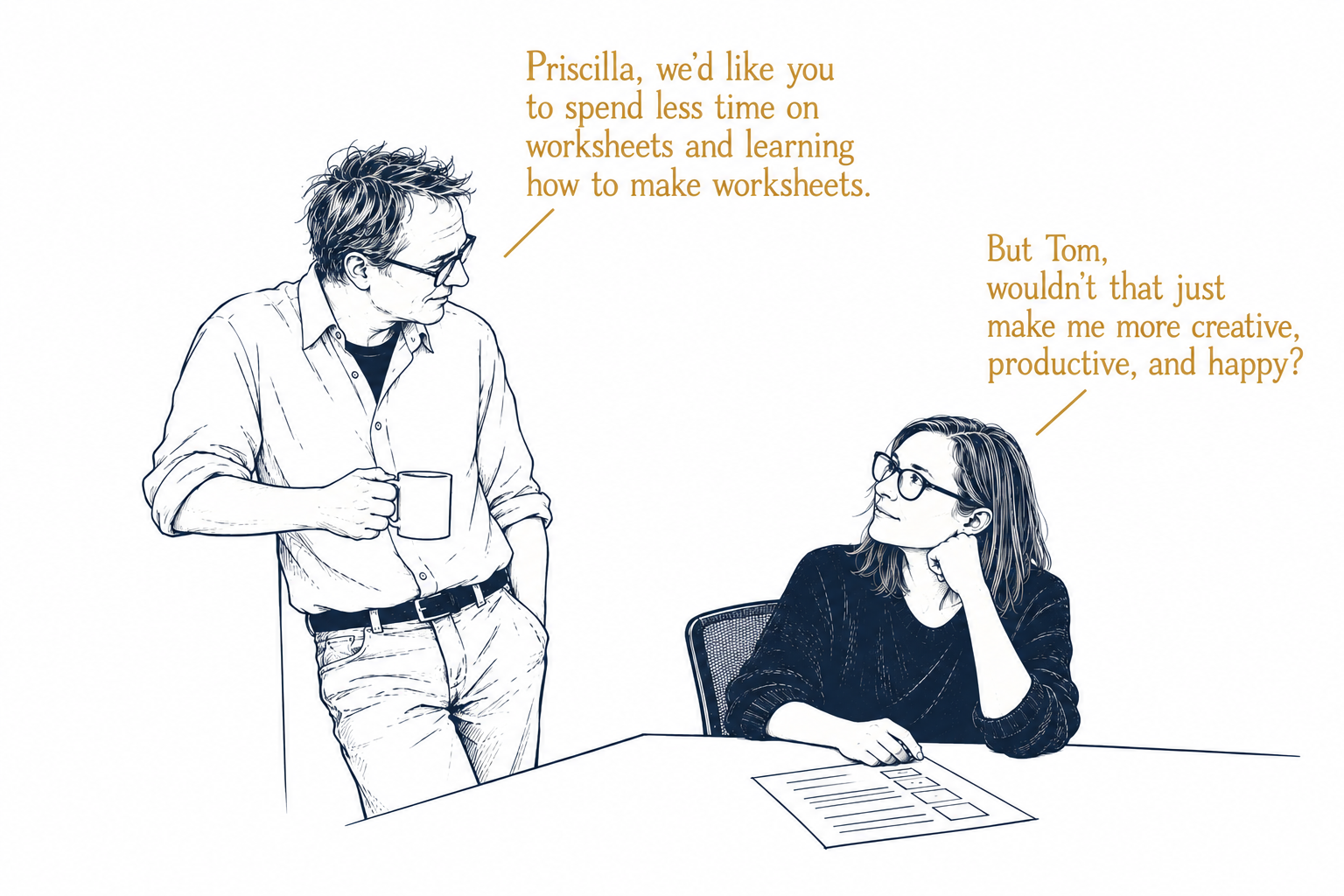
Because no one thinks your PowerPoint is powerful or the point.

We spend a remarkable amount of human ability operating the tools around the work. AI gives us a chance to change that—to let the tools handle more of the machinery, so people can spend more of their brains on the thinking, making, solving, and imagining that actually matters.

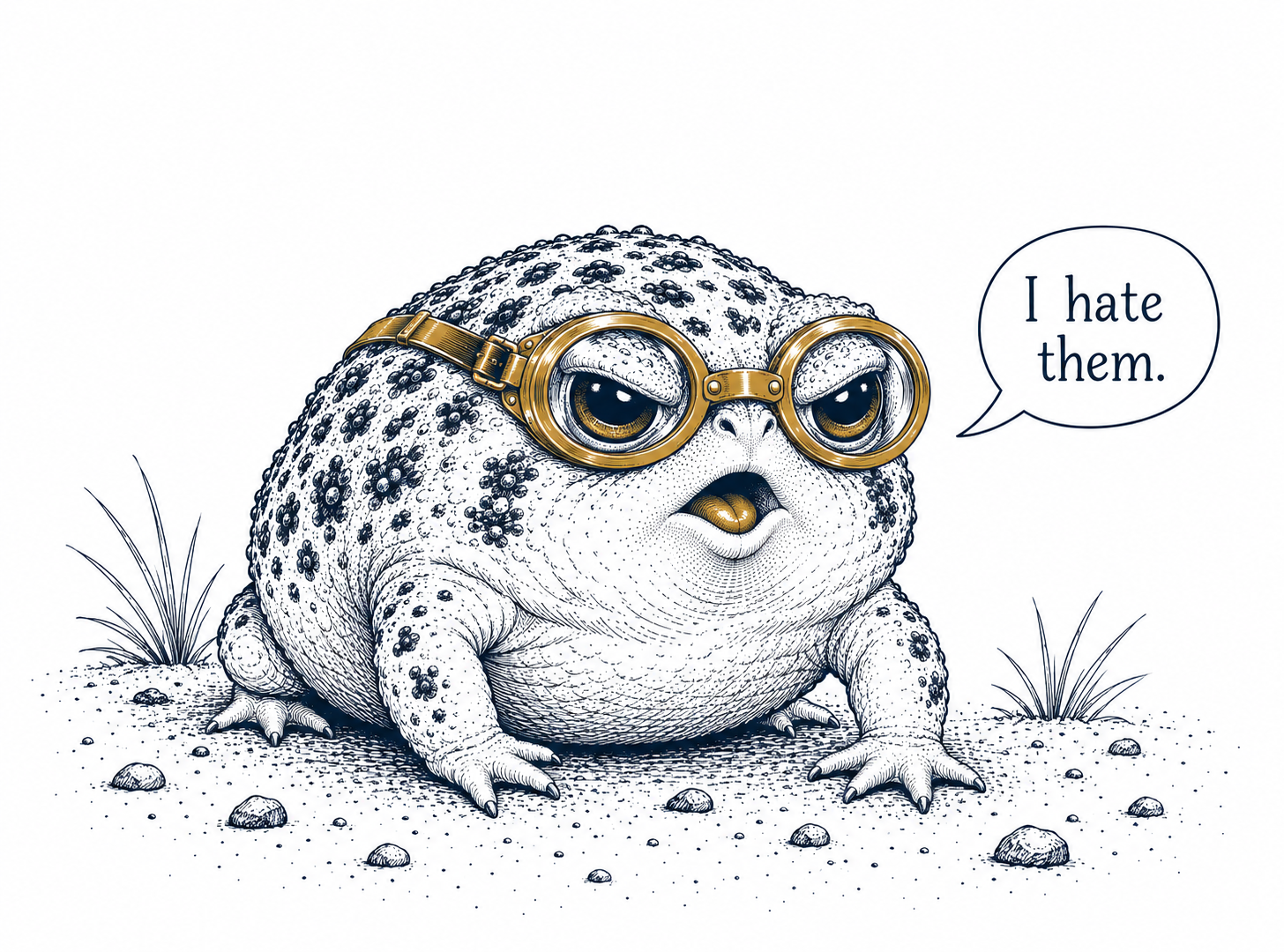
The tool is the easy part.

Great goggles. Results may vary.

A good tool can still fail if people don’t have a practical way to use it. Implementation means understanding the people, the work, and what has to change around the tool—not just handing it over and hoping for adoption. We help turn the plan into something people can actually step into, use, and make their own.

A person in thick glasses searches a phone book while holding a telephone receiver; the phone is unplugged because a modem is using the wall jack.

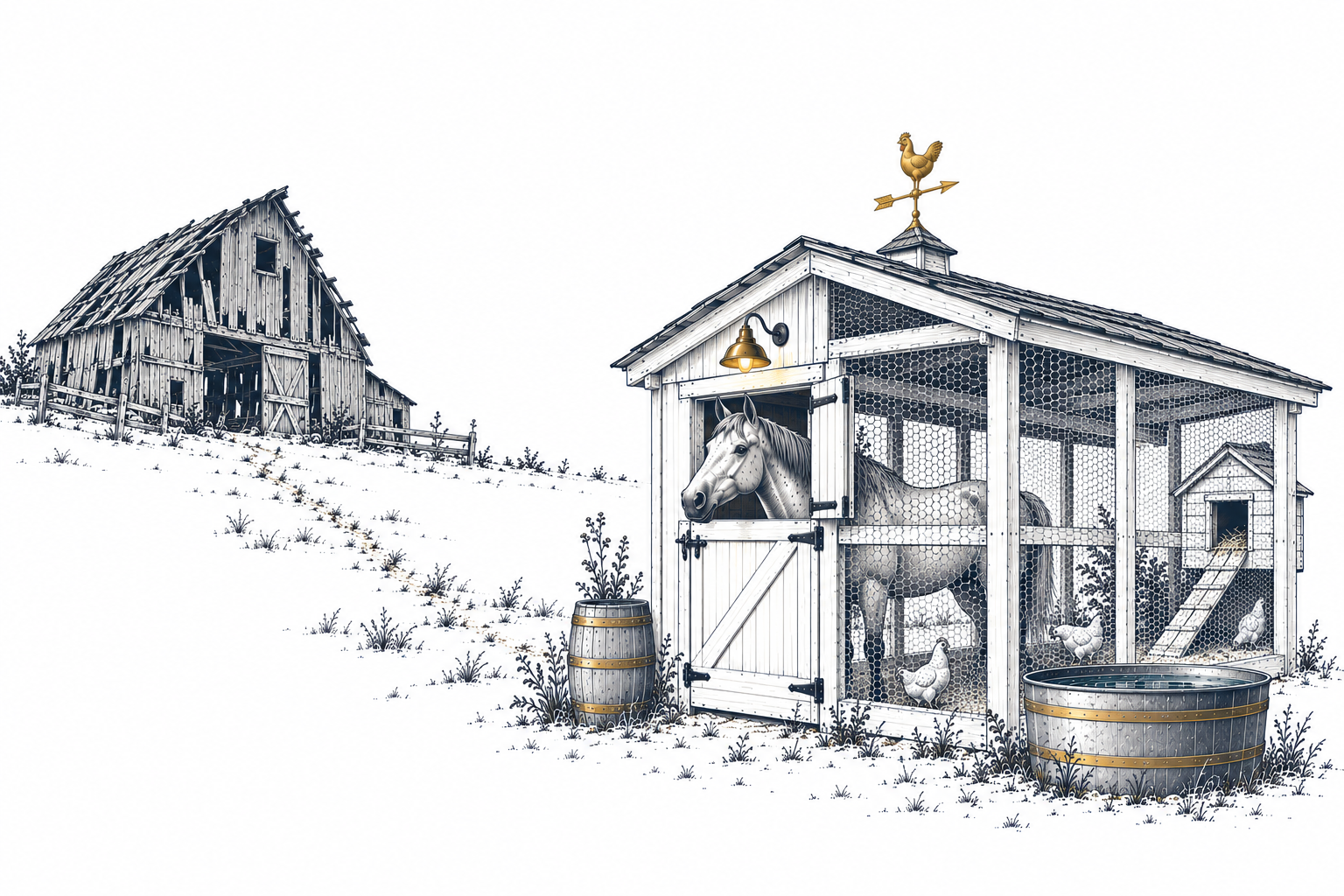
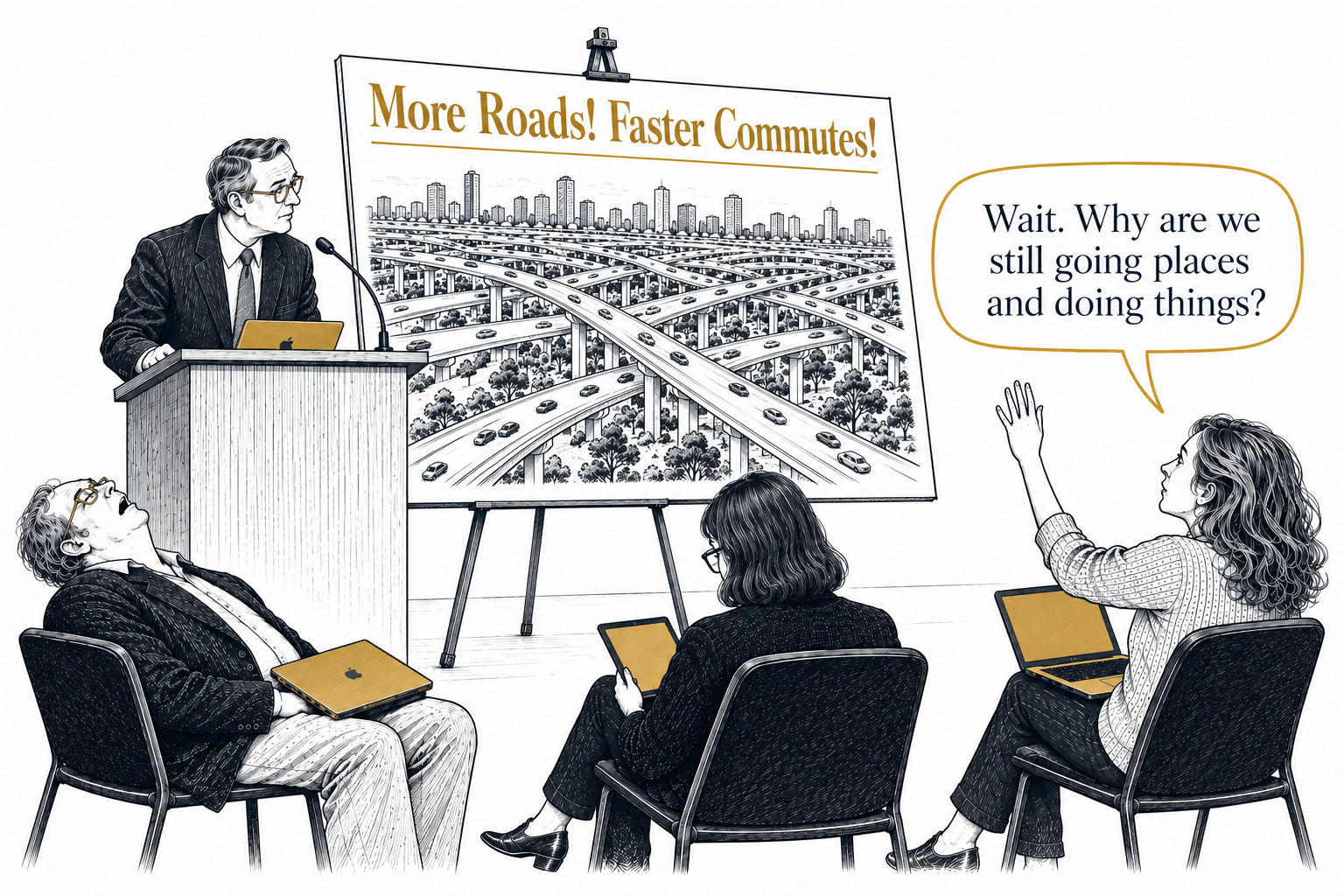
Before we rebuild it, do we still need it?

Bernadette has already moved on.

A solution can keep making sense long after the problem that created it has changed. So we upgrade it, replace it, migrate it, and build workarounds around it—without stopping to ask whether we still need it at all. We help get back to the original problem, understand what’s possible now, and solve for that instead.

Understand the problem before you build the solution.

Beautiful bridge for the not-right primate.

It’s easy to start with the thing we’ve already decided to build, buy, automate, or change. But once the solution becomes the starting point, the real problem can disappear from view. We help get close enough to the problem to understand what actually needs solving before deciding what the solution should be.